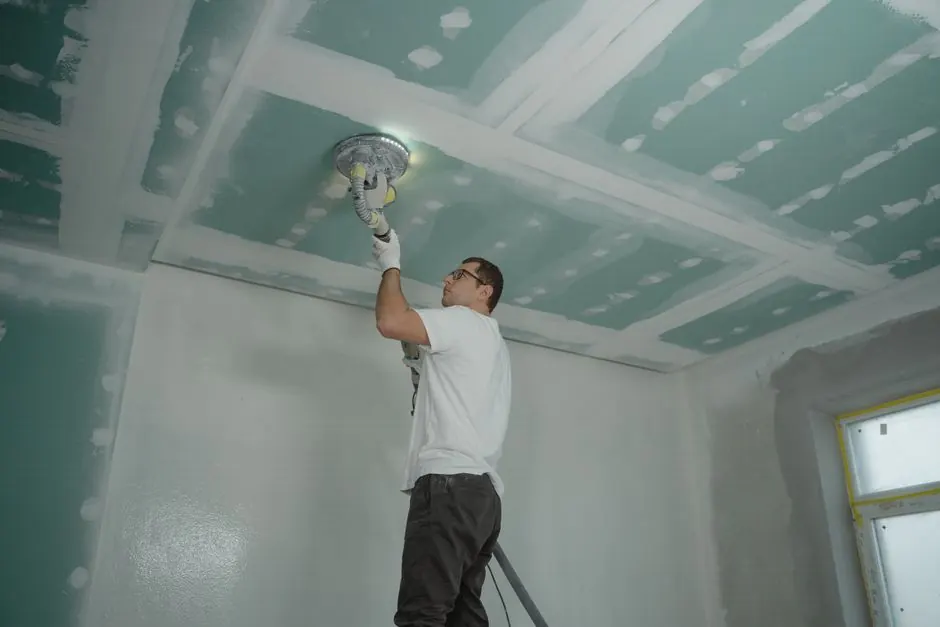
Ceiling water damage can be a significant concern for homeowners, especially in humid climates like Miami. Understanding the best practices for ceiling drying services can help mitigate long-term damage and prevent mold growth. This article will explore effective techniques and methods tailored for humid conditions, ensuring that your ceiling is dried thoroughly and efficiently.
Understanding Humidity's Impact on Ceiling Drying
Miami's high humidity levels can complicate ceiling drying efforts. Humidity affects the air's ability to absorb moisture, making it challenging to dry wet ceilings effectively. The average humidity in Miami often exceeds 70%, which can lead to prolonged drying times and increased risk of mold growth if not managed properly.
When dealing with ceiling water damage, it is essential to consider the following factors:
- Temperature: Warmer air can hold more moisture, aiding the drying process.
- Airflow: Increased airflow can help reduce humidity levels around the drying area.
- Time: The longer the moisture remains, the higher the risk of structural damage and mold.
Essential Ceiling Drying Techniques
Implementing effective ceiling drying services in Miami requires a combination of techniques tailored to combat humidity. Here are some proven methods:
1. Dehumidification
Using dehumidifiers is one of the most effective ways to manage moisture levels. These devices extract moisture from the air, significantly speeding up the drying process. In humid climates like Miami, a commercial-grade dehumidifier can remove up to 50 pints of moisture daily.
2. Air Circulation
Enhancing air circulation is critical. Fans should be strategically placed to promote airflow across the ceiling. This method not only helps with drying but also prevents the formation of mold.
3. Heat Application
Applying heat can accelerate the evaporation process. Space heaters or heat lamps can be used carefully to warm the area, but caution is necessary to avoid overheating or damaging the ceiling material.
4. Moisture Monitoring
Regularly check moisture levels with a moisture meter to ensure the ceiling is drying adequately. This tool helps you determine when the drying process is complete, preventing unnecessary delays.
Emergency Ceiling Drying Practices
In cases of severe water damage, immediate action is crucial. Here are some emergency ceiling drying practices:
- Shut Off Power: Ensure safety by turning off electricity in the affected area.
- Remove Excess Water: Use a wet/dry vacuum to remove standing water quickly.
- Start Drying Immediately: Deploy dehumidifiers and fans as soon as possible to begin the drying process.
- Check for Mold: Inspect for signs of mold growth, especially in the first 24-48 hours after water exposure.
Common Mistakes to Avoid
When drying ceilings in humid conditions, several common mistakes can hinder progress:
- Neglecting Airflow: Failing to enhance airflow can prolong drying times significantly.
- Ignoring Moisture Levels: Not monitoring moisture can lead to undetected issues and mold growth.
- Rushing the Process: It's essential to allow sufficient time for drying to prevent future problems.
- Using Inadequate Equipment: Low-quality dehumidifiers or fans may not be effective in high humidity.
When to Call a Professional
While some homeowners may attempt to handle ceiling drying themselves, there are instances when professional help is necessary. If you notice extensive water damage or suspect mold growth, it's time to call in experts like Miami Water Damage Pros. Our team specializes in ceiling damage repair services Miami and can ensure your home is restored safely and efficiently.
Frequently Asked Questions
What is the best way to dry a ceiling in humid conditions?
Using a combination of dehumidifiers, fans, and heat application is the most effective method to dry ceilings in humid conditions. Proper airflow and moisture monitoring are also crucial.
How long does it take for ceiling drying in humid climates?
The drying time can vary based on the extent of the water damage and humidity levels, but it typically takes 3-7 days for ceilings to dry completely in humid climates like Miami.
What are the risks of not drying a ceiling properly?
If a ceiling is not dried properly, it can lead to structural damage, mold growth, and health issues for residents. Mold can begin to develop within 24-48 hours if moisture is not addressed.
Can I dry my ceiling myself in humid conditions?
While some minor water damage may be manageable, extensive damage or mold growth should be handled by professionals to ensure safety and effectiveness.
What equipment is best for ceiling drying in Miami?
Commercial-grade dehumidifiers, high-velocity fans, and moisture meters are essential for effective ceiling drying in humid climates like Miami.
Get help with Ceiling Water Damage Repair in Miami
If you're dealing with ceiling water damage in Miami, it's crucial to act quickly. Contact us at (645) 220-2036 for expert assistance and ensure your home is safe and dry.