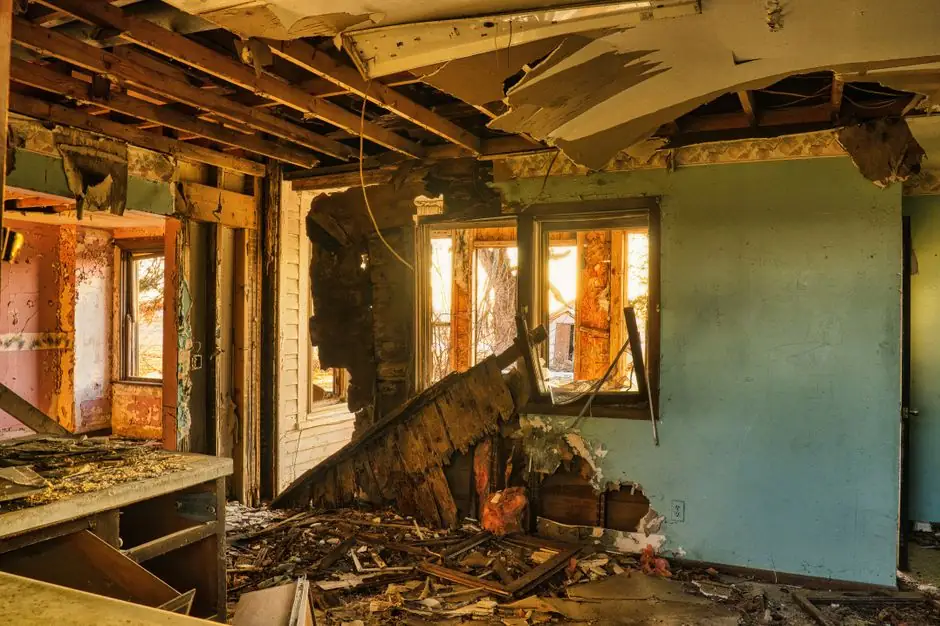
Understanding Ceiling Water Damage
Ceiling water damage can occur from various sources, including leaky roofs, plumbing issues, or even condensation. In Miami, with its humid climate, homeowners often face this problem, leading to unsightly stains and potential structural damage. Understanding the extent of the damage is crucial in deciding whether to repair or replace your ceiling.
Repairing Ceiling Water Damage
Repairing ceiling water damage can be a cost-effective solution when the damage is minor. This process typically involves:
- Assessing the extent of the damage
- Removing any waterlogged materials
- Treating for mold and mildew
- Repainting and restoring the ceiling
In many cases, if the water damage is limited to a small area, a water damaged ceiling repair can restore the ceiling's appearance without the need for a full replacement.
Replacing Ceiling Water Damage
When the damage is extensive, replacement may be the best option. This is often the case when:
- The ceiling has structural damage
- Mold has spread beyond a manageable area
- The materials used are outdated or damaged beyond repair
Replacement involves removing the entire ceiling and installing new materials, which can be more costly but ensures a long-term solution. Homeowners in areas like Coconut Grove often consider this option due to older construction techniques that may not hold up well to water exposure.
Factors to Consider
When deciding between repair or replacement for ceiling water damage in Miami, consider these factors:
- Extent of Damage: Minor stains may only need repair, while extensive damage warrants replacement.
- Cost: Repairs are generally less expensive than replacements, but consider long-term costs.
- Future Risks: If the source of the water damage isn't addressed, repairs may only be a temporary fix.
Common Mistakes
Homeowners often make several mistakes when dealing with ceiling water damage:
- Ignoring the source of the water damage
- Underestimating the extent of mold growth
- Choosing DIY repairs without proper knowledge
Addressing these issues can lead to more significant problems down the road.
When to Call a Professional
If you're unsure whether to repair or replace your ceiling, it's best to consult with professionals like Miami Water Damage Pros. They can provide a comprehensive evaluation of the damage and recommend the best course of action.
Frequently Asked Questions
When should I repair my ceiling instead of replacing it?
If the damage is localized and the ceiling structure is sound, repairs are typically the best choice. This can save you money and time.
What are the cost differences between ceiling repair and replacement?
Repairs can range from $200 to $1,000 depending on the damage, while replacements can cost $1,500 to $3,500 or more, depending on the materials used.
How do I decide between repair and replacement for my ceiling?
Assess the extent of the damage, consider the costs involved, and evaluate the long-term implications of each option. Consulting a professional can help clarify your choices.
Can I get a professional opinion on ceiling repair vs replacement?
Yes, professionals can provide a detailed assessment to help you understand the best option for your specific situation.
What factors influence the choice between repairing or replacing a ceiling?
Key factors include the extent of the damage, the cost of repairs vs. replacement, and the potential for future damage if the underlying issues aren't resolved.